Before a meal, many older Okinawans say “hara hachi bu”, a Confucian-era reminder to stop eating when the stomach is about eight parts out of ten full. It isn’t a diet. It’s a pause built into every meal.
Where it comes from
The phrase came to Okinawa from mainland Japan and stuck. Okinawa, a chain of subtropical islands closer to Taiwan than to Tokyo, has long drawn researchers for its many centenarians. The traditional island diet leaned on purple sweet potato (beni imo), bitter melon (goya), tofu, seaweed and small amounts of pork, served in many small bowls.
Seeing it as a traveller
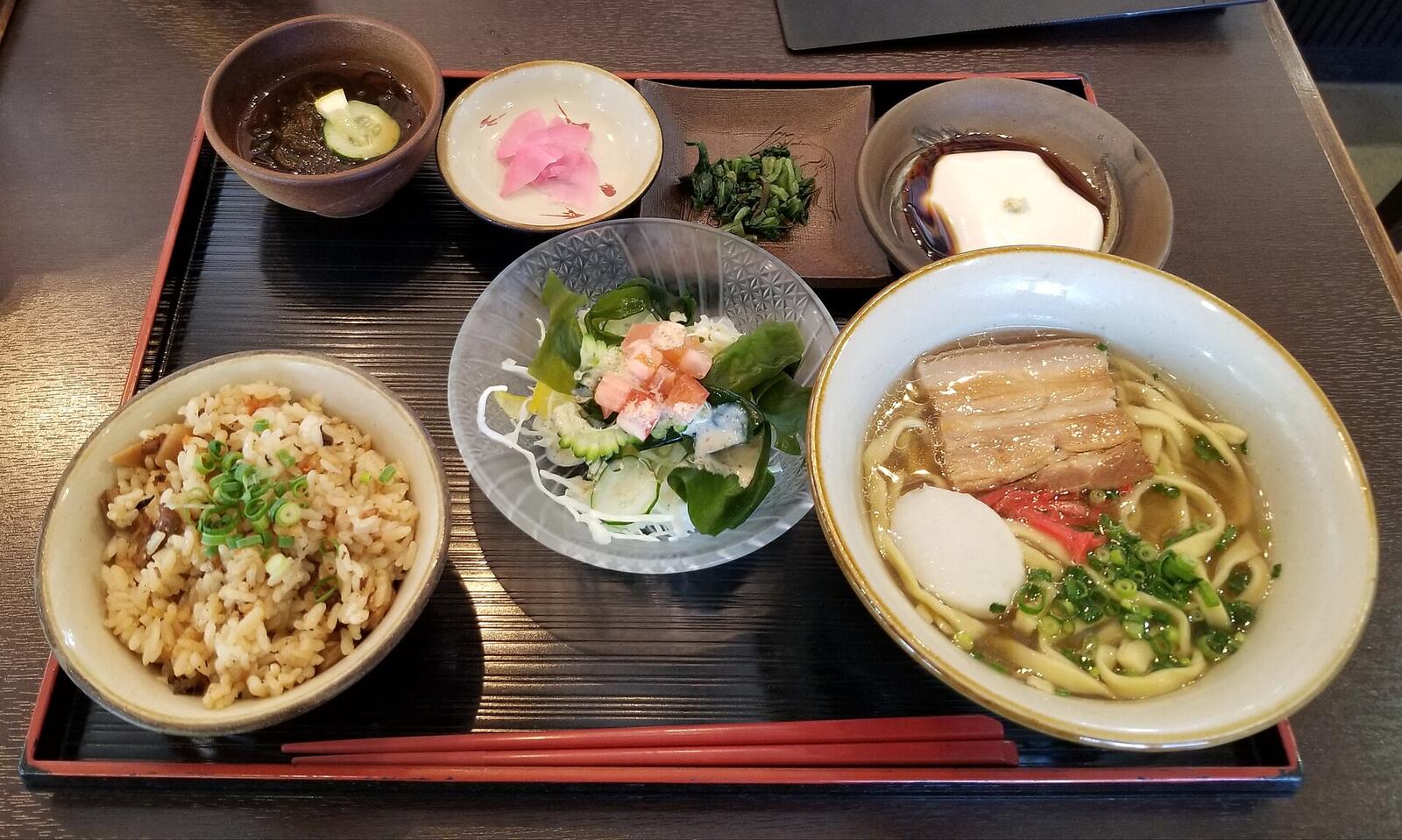
In Naha, look for a teishoku set meal: rice, miso soup, a stir-fry like goya champuru and a few small sides on one tray. Outside the city, the village of Ōgimi in the north calls itself a “village of longevity”, and its markets sell the vegetables older residents grew up on.
Why it may help
Eating slowly gives the body time to register fullness, which takes a while to reach the brain. Researchers studying Okinawan longevity have pointed to this habit of moderate portions, alongside a plant-heavy diet and active older age, as part of the island’s story.
Try it at home: your first week
- Day 1Swap your plate
Serve dinner on a smaller plate or in bowls. Same food, less of it at a glance.
- Day 3Put the fork down
Rest your chopsticks or fork between bites. Notice when you stop feeling hungry.
- Day 7Stop at eight
When you feel about 80% full, stop and wait ten minutes. Save the rest for tomorrow.
This page is general information, not medical advice. If you have a health condition, check with your doctor before changing your diet, exercise or routine.